Rhabdomyolysis happens when muscle cells are damaged and break down, releasing their contents into the bloodstream. One of these substances is myoglobin, a protein that normally helps muscles store oxygen. When large amounts reach the kidneys, myoglobin can harm the tiny structures that filter blood.
Muscle breakdown can also disturb the body's balance of minerals, called electrolytes. Rhabdo ranges in severity, but even someone who initially feels reasonably well may need urgent testing. Early medical treatment helps reduce the risk of permanent kidney damage.
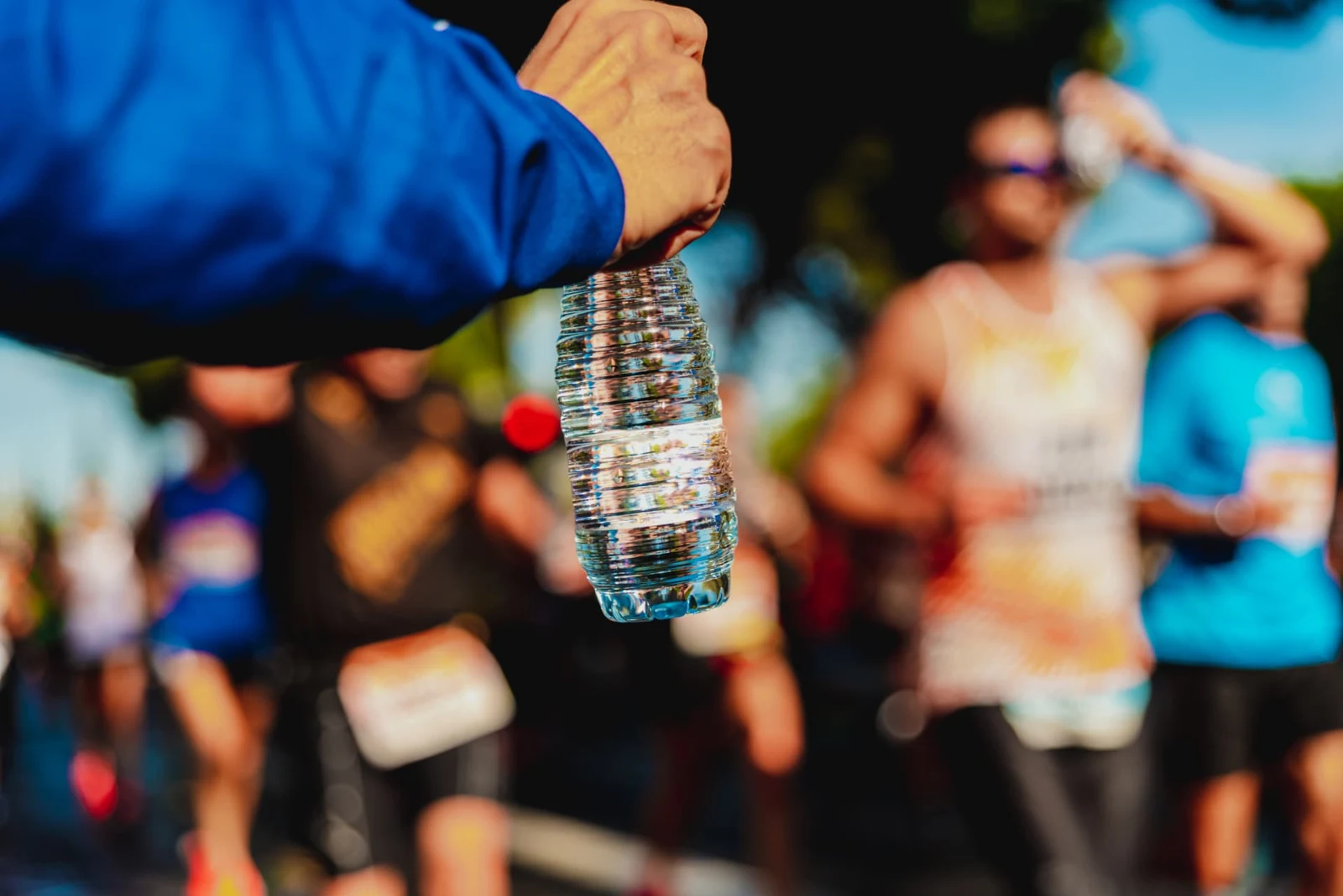
Rhabdo can follow excessive or strenuous activity, especially exertion beyond a person's usual conditioning. Extreme heat and severe dehydration can contribute. However, exercise and heat are not the only causes.
Other causes include crush injuries, major muscle trauma, prolonged pressure on muscles, reduced blood supply, seizures, certain infections and inherited muscle disorders. Some medications, including statins, and substances such as cocaine or amphetamines can also be involved. Low levels of certain minerals and other medical conditions may increase risk. A clinician reviews the full history to identify the cause rather than assuming every case is exercise-related.
Symptoms may include muscle pain, tenderness, stiffness or weakness; dark, red or cola-colored urine; reduced urine output; and fatigue or general weakness. Pain may be unusually severe or involve muscles used during recent activity.
Symptoms vary. Not everyone has the classic combination of muscle pain, weakness and dark urine, and normal-looking urine does not rule out rhabdo. Do not dismiss significant weakness or reduced urination because urine color has not changed. Seek immediate evaluation for concerning symptoms, particularly after a muscle injury, intense exertion or heat illness.
Clinicians consider symptoms, recent activity, injuries, medications and medical history along with an examination. A blood test for creatine kinase (CK), an enzyme released by damaged muscle, helps assess muscle injury. CK alone does not identify the cause.
Kidney function tests, including creatinine, and electrolyte tests help assess complications. Urinalysis and blood or urine myoglobin testing may be appropriate. Repeat testing can show whether muscle damage is continuing and whether kidney function is changing.
Suspected rhabdomyolysis needs urgent medical evaluation, not treatment at home with water alone. Clinicians may give intravenous (IV) fluids when indicated and monitor urine output, kidney function and electrolytes. Treatment also addresses the underlying injury, illness, medication effect or other cause.
Hospital care may be needed for monitoring and treatment. Severe kidney injury can require dialysis, a treatment that removes wastes and helps manage fluid and mineral levels when the kidneys cannot do so adequately. The care plan depends on the individual's condition.
Complications include acute kidney injury, sometimes called acute kidney failure, and damage to kidney tubules. Electrolyte abnormalities, including high potassium, can lead to dangerous heart rhythm problems. Severe illness may involve shock or other potentially life-threatening complications.
Recovery depends on the cause, severity and degree of kidney damage. Some people have lingering muscle pain or fatigue. Follow-up testing and a clinician-guided return to activity are important; there is no single recovery timetable that fits everyone.
Build exercise intensity gradually and allow time for recovery. Maintain appropriate hydration and avoid excessive exertion in extreme heat. In South Louisiana's heat and humidity, outdoor workers and athletes should recognize heat illness and stop activity when they feel unwell. Hydration alone does not eliminate the risk.
Discuss medication or supplement concerns with a healthcare provider. Do not stop a prescribed medicine or change its dose without medical guidance. People with a prior episode or an inherited muscle condition may need individualized advice before returning to strenuous activity.
Go to an emergency department immediately if you suspect rhabdomyolysis, including unusual muscle pain or weakness with dark urine or reduced urination. Do not wait for a clinic appointment or for all symptoms to appear. Call 911 for collapse, confusion, severe breathing difficulty or other life-threatening symptoms.
Sources
This information is for education and is not a substitute for advice from your healthcare provider. MedlinePlus is a service of the U.S. National Library of Medicine, National Institutes of Health. NLM does not endorse SLMA or any SLMA service.